
The Quiet Descent into Despair
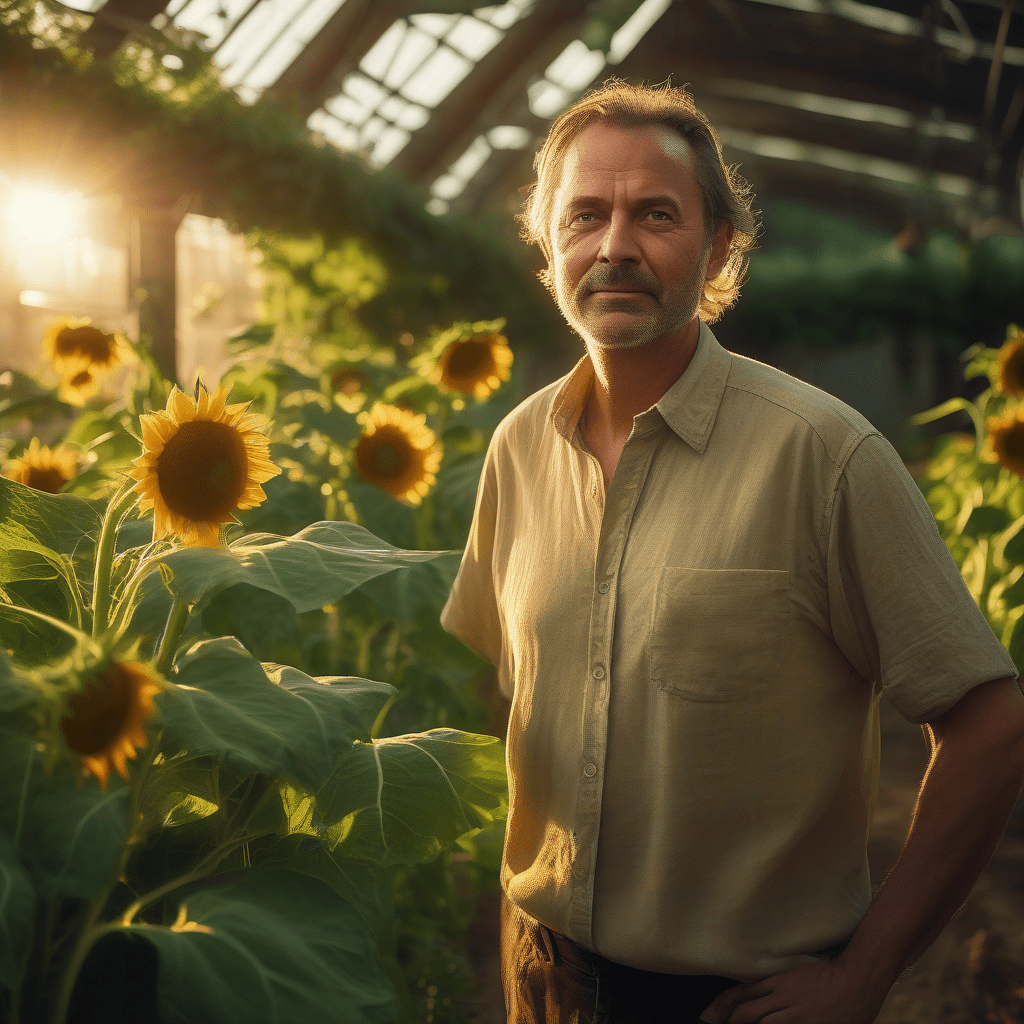
In the heart of a bustling industrial city, Silas Vance lived a life that appeared successful on the surface but was crumbling internally. For years, Silas had chased the phantom of professional prestige, believing that wealth and status were the only indicators of a life well-lived. However, beneath the polished exterior of his corporate attire lay a man consumed by anxiety and a profound sense of emptiness. He had fallen into the trap of equating his self-worth with his net worth, a mistake that eventually led to a catastrophic financial collapse. Silas found himself facing the harsh reality of bankruptcy, losing not only his home and his assets but also the respect he believed he had earned from his peers. This was the moment where the concept of mindset mastery first became a necessity rather than a luxury.
During those dark months, Silas spent his nights in a small, rented room, staring at the ceiling and wondering where it all went wrong. He realized that his previous successes were built on a foundation of fear—fear of failure, fear of insignificance, and fear of judgment. He had spent his entire adult life reacting to the world around him rather than shaping his own destiny. It was during this period of absolute isolation that he encountered an old mentor, a retired philosopher named Julian, who taught him that the external world is merely a reflection of one’s internal state. Julian explained that without achieving true mindset mastery, Silas would continue to repeat the same patterns of self-destruction regardless of how much money he acquired.
The Awakening of Mindset Mastery
Silas began his journey of transformation by dismantling the limiting beliefs that had governed his existence. He spent hours journaling, dissecting the narrative he had told himself for decades. He discovered that he had been operating under a ‘scarcity mindset,’ believing that there was never enough success or recognition to go around. By consciously shifting toward an ‘abundance mindset,’ Silas began to see opportunities where he previously saw only obstacles. This shift was not instantaneous; it required a rigorous daily discipline of mindfulness and cognitive reframing. He learned to view his bankruptcy not as a shameful end, but as a necessary clearing of the land to build something more sustainable and authentic.
As he practiced these principles, Silas started to notice a change in his interactions with others. He stopped trying to impress people and started trying to provide value. He realized that the pursuit of status was a treadmill that never ended. This internal shift is similar to the psychological principles discussed in cognitive behavioral therapy, where changing one’s thought patterns leads to a direct change in emotional response and behavior. For Silas, mindset mastery meant taking absolute responsibility for his reactions to the chaos of life. He stopped blaming the economy, his former partners, or his bad luck, and instead focused on the only thing he could control: his perspective.
Building a New Legacy from the Rubble
With his new mental framework, Silas decided to enter the world of sustainable urban farming, a passion he had suppressed for years in favor of corporate climbing. He started with a small plot of leased land and a handful of seeds, utilizing every penny he had managed to save from a menial job. While many saw his venture as a desperate gamble, Silas viewed it through the lens of growth and resilience. He applied the same patience and discipline that he had cultivated during his mental recovery. He understood that growth, much like the plants he was tending, cannot be rushed; it requires the right environment, consistent effort, and an unwavering belief in the eventual harvest.
Throughout this process, Silas often reflected on other stories of resilience. He recalled reading about a resilience psychology approach to adversity, noting how those who thrive after a fall are usually those who redefine their identity. He no longer identified as a ‘failed businessman’ but as a ‘student of life.’ This distinction was the cornerstone of his mindset mastery. By detaching his identity from his failures, he gained the freedom to experiment, fail small, and pivot quickly. He began integrating organic farming techniques with a community-driven business model, ensuring that his success would benefit others in the neighborhood.
Overcoming the internal saboteur
Despite his growing success, Silas frequently battled the ‘internal saboteur‘—that small, nagging voice that whispered that he was a fraud and that the crash was inevitable. There were days when the old fear returned, threatening to paralyze his decision-making. However, instead of suppressing these feelings, Silas used his mindset mastery to observe them objectively. He treated his fear as a signal rather than a command. He learned to say, ‘I feel fear, but I am not my fear.’ This detachment allowed him to make strategic decisions based on logic and intuition rather than panic.
During this phase of his life, he found inspiration in the stories of others who had faced similar depths. He felt a kinship with those who had experienced a entrepreneurship journey filled with trial and error. He realized that the most successful people aren’t those who never fail, but those who develop a mental fortitude that makes failure irrelevant. This realization reminded him of the theme in the story “Success After Failure: The Inspiring Story of a Man Who Turned Defeat Into Triumph,” where the catalyst for victory is often the very defeat that seemed final.
The Ripple Effect of Mental Clarity
As his urban farm grew into a thriving enterprise, Silas decided to share his findings. He began hosting workshops on mental health and strategic thinking for struggling entrepreneurs. He didn’t teach them how to make money; he taught them how to manage their minds. He argued that financial literacy is useless without emotional literacy. He watched as his students began to apply mindset mastery to their own lives, transforming their businesses from stress-filled burdens into vehicles for personal and community growth.
Silas’s approach was holistic. He encouraged his students to embrace the struggle, much like the lessons found in “Simple Life Lesson: A Story of Perseverance & Growth.” He taught them that the friction of life is what polishes the diamond of character. By fostering a community of support and mutual growth, Silas created a network of individuals who were no longer driven by greed, but by purpose. His farm became more than a source of produce; it became a sanctuary for those seeking a way out of the mental traps of modern society.
The Philosophy of Sustained Growth
Years later, Silas stood in the center of his sprawling green oasis, looking at the vibrant crops and the smiling faces of his employees. He was wealthier than he had ever been during his corporate years, but the wealth felt different. It was no longer a shield to hide behind or a trophy to wave; it was a tool for empowerment. He understood that the true secret to his success was not the farming technique or the business model, but the unwavering commitment to mindset mastery.
He realized that the mind is like a garden: if you don’t consciously plant seeds of discipline, gratitude, and courage, the weeds of doubt and resentment will grow automatically. He continued to practice daily meditation and rigorous self-reflection, knowing that the moment he believed he had ‘arrived’ was the moment he would begin to decline. The journey of growth is infinite, and the goal is not the destination, but the continuous refinement of the self.
Conclusion: The Path to Mindset Mastery
Silas Vance’s life serves as a powerful testament to the fact that no matter how deep the hole you have dug for yourself, you possess the tools to climb out. His transformation was not a result of luck or a sudden windfall, but a deliberate application of mindset mastery. By shifting his perspective from scarcity to abundance and from fear to purpose, he didn’t just rebuild his bank account—he rebuilt his soul.
For anyone feeling trapped by their current circumstances, remember that your current situation is not your final destination. The bridge between where you are and where you want to be is built with the bricks of mental discipline and the mortar of perseverance. As seen in the journey of “From Poverty to Power: An Inspiring Story of Resilience,” the capacity for change is innate in every human being. All it takes is the courage to challenge your own narrative and the willingness to embrace the discomfort of growth. Start today by questioning your limiting beliefs, practicing gratitude, and committing yourself to the lifelong pursuit of mindset mastery.Unleash Your Inner Genius with AI Agents in 2026Poor Man’s Dream: How Elias Transformed His Life ForeverWhen two strangers became forever: A Real-Life Story of SuccessGujarati Romantic Story: Mehul and Kavya’s Heart Touching Moments of True Love